Freezer Burn: What Causes It, How to Prevent It, and Is It Safe to Eat?
What Is Freezer Burn?
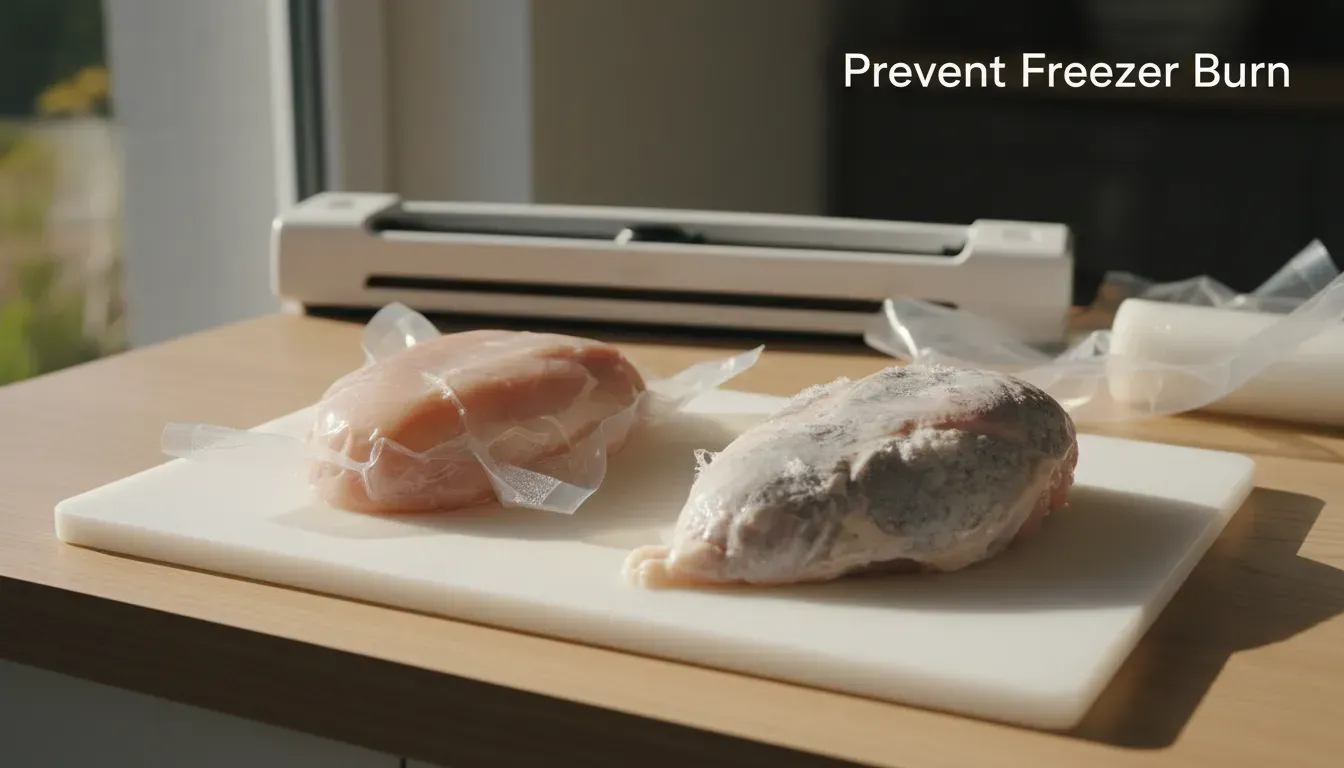
Freezer burn is what happens when frozen food loses moisture and gets oxidized. Those dry, grayish-white patches on your chicken breast or the icy film on your ice cream — that's freezer burn.
The science is simple: water molecules on the surface of frozen food sublimate (go directly from ice to vapor) when exposed to dry freezer air. Where the water leaves, oxygen moves in, oxidizing fats and proteins. The result: dry texture, off flavors, and a mealy mouthfeel.
Two things accelerate freezer burn:
- Air contact. Any air gap between the food and its packaging is a freezer-burn highway.
- Temperature fluctuations. Every time the freezer warms up (door open, power cut, new hot food added), a little ice melts and re-freezes — pulling moisture out of the food.
How to Spot Freezer Burn
Freezer-burned food has telltale signs:
- Dry, leathery, grayish-white patches on meat or fish
- Ice crystals on the surface of food or inside the packaging
- Color changes: meat turning brown or gray, vegetables fading
- Texture changes after thawing: tough, stringy, or mealy
- Dull, "stale" smell — not rancid, just flat
Is freezer-burned food safe to eat? Yes. Freezer burn is a quality issue, not a safety issue. Bacteria can't grow at -18°C, so even heavily burned food won't make you sick. But the texture and flavor take a serious hit — you'll notice it immediately. Cut off the burned parts and use the rest.
7 Ways to Prevent Freezer Burn
1. Vacuum-Seal Whenever Possible
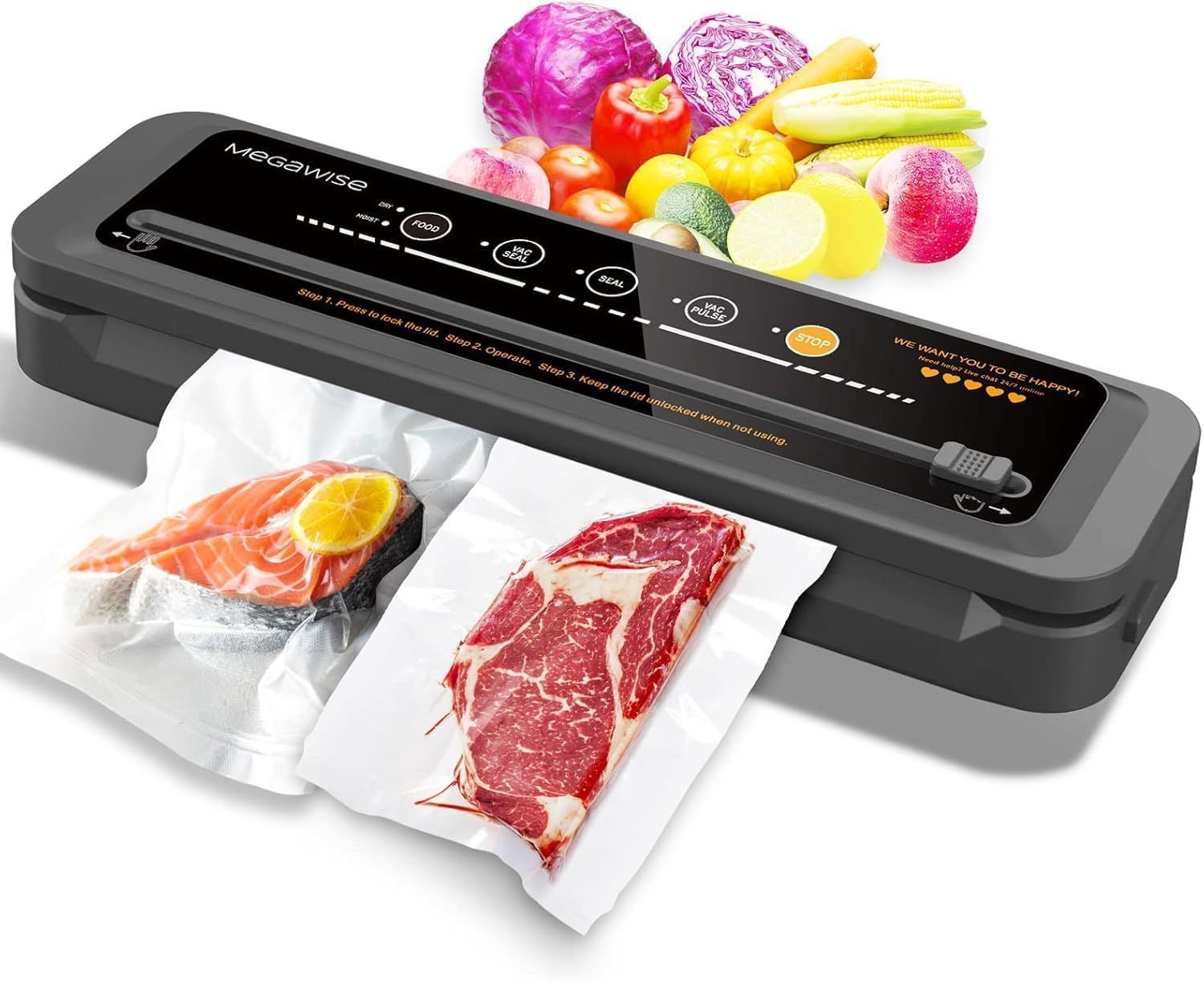
This is the single most effective prevention. Vacuum sealing removes virtually all air from the package, eliminating the main cause of freezer burn. Vacuum-sealed meals stay freezer-burn-free for 6–12 months — two to three times longer than regular packaging.
2. Use Freezer-Grade Bags (Not Regular Storage Bags)
Freezer bags are thicker and have a better moisture barrier. Regular sandwich or storage bags are too thin — moisture migrates right through them.
3. Press Out Every Bit of Air
If you don't have a vacuum sealer, use the water displacement trick: put the food in a zip-lock bag, lower it slowly into a bowl of water with the zip still open. The water pressure pushes the air out. Seal the bag just before the zip goes under.
4. Wrap Twice
Double-wrap meat and fish: a layer of plastic wrap directly against the food, then a freezer bag or aluminum foil around it. The double barrier keeps moisture in and air out.
5. Freeze in Flat, Thin Portions
Thin, flat bags freeze faster, which means smaller ice crystals and less cell damage. They also thaw faster (no hot-in-the-middle when reheating) and stack neatly.
6. Keep Your Freezer at -18°C (0°F) or Below
Most home freezers are set correctly out of the box, but it's worth checking with a freezer thermometer. Every degree above -18°C shortens storage time noticeably.
7. Minimize Door Openings
Every time you open the freezer, warm air rushes in and ice crystals form when it cools back down. Know what you want before you open the door. A full freezer also helps — all that frozen mass holds the temperature steady.
* Product links are affiliate links. As an Amazon Associate we earn from qualifying purchases. No extra cost to you.
Can You Save Freezer-Burned Food?
Yes, with a few tricks:
- Cut off the burned parts. Slice away the dry, grayish patches — the meat underneath is usually fine.
- Use it in saucy dishes. Freezer-burned meat works perfectly in stews, chili, curries, or slow-cooked sauces. The long cook time and moisture mask the texture issue.
- Grind it. Burned steak or chicken can be minced for burgers, meatballs, or meat sauces.
- Skip it for grilling or searing. Any dry-heat cooking method will amplify the dry, stringy texture. Don't waste a freezer-burned ribeye on a grill.
The Bottom Line
Freezer burn is 100% preventable. You don't need fancy equipment — just a decent vacuum sealer (or serious effort to squeeze air out of bags), freezer-grade packaging, and a freezer that stays at -18°C.
Once you build the habit, you'll never lose another meal to freezer burn again. And if you want to go deeper on shelf life, check out our complete freezer storage time guide for exact durations for every type of food.